Wild Buffalo: Capturing the Rugged Spirit of the West
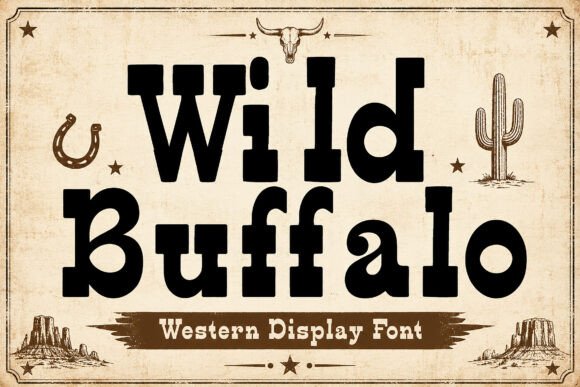
When a design needs to channel the raw, untamed energy of the American frontier, typography becomes more than just letters on a page—it becomes a storyteller. Wild Buffalo is a bold western display font built for exactly this purpose. It draws its soul from vintage saloon signage, the weathered branding irons of cattle ranches, and the rugged typographic style that defined an era of cowboys and pioneers. This isn't a font that whispers; it commands attention with strong, chunky letterforms that feel handcrafted and authentic, giving any project an immediate sense of place and history.
The Anatomy of a Western Typeface
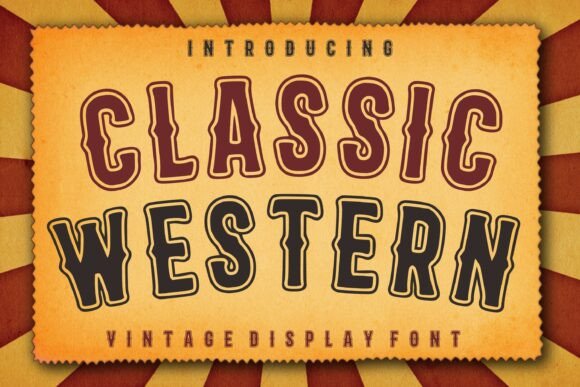
What makes Wild Buffalo stand out in a crowded field of western fonts is its balance between boldness and character. The letterforms carry substantial visual weight—thick strokes, slightly uneven edges, and a texture that suggests woodblock printing or hand-painted signage. There's a deliberate imperfection here that avoids feeling sloppy, instead delivering a sense of authenticity that polished, geometric typefaces simply can't replicate.
The personality of this typeface is unmistakably rugged. It evokes dusty trails, leather goods, and frontier towns without relying on cartoonish cowboy clichés. The serifs are sturdy and grounded, the proportions feel historically informed, and the overall rhythm of the text block has a confident, unhurried pace. For designers working in modern typography, this kind of display font serves a very specific role: it's the headline, the logo mark, the focal point that sets the tone before a single word of body copy is read.
Where Wild Buffalo Finds Its Home
The practical applications for a font like this stretch across an impressive range of projects. In logo design, Wild Buffalo gives brands in the outdoor, adventure, food and beverage, or artisan goods space an instant identity rooted in Americana. Think craft breweries, barbecue restaurants, western wear boutiques, or ranch-to-table brands. The typeface does heavy lifting in establishing brand identity before color palettes or imagery even enter the conversation.
For packaging design, particularly in the premium and artisan market, this font communicates quality and tradition. A hot sauce label, a small-batch whiskey bottle, or a handcrafted leather goods tag all benefit from typography that feels lived-in and trustworthy. Wild Buffalo pairs exceptionally well with simple sans serif fonts for supporting text, creating a visual hierarchy that's both striking and functional.
Event promoters and marketers will find this typeface invaluable for rodeo events, country music festivals, state fairs, and western-themed campaigns. On social media graphics, where grabbing attention in a fraction of a second matters, the bold presence of Wild Buffalo cuts through the noise. It works beautifully on posters, flyers, and digital banners where the western aesthetic needs to hit hard and fast.
For those in the print-on-demand and merchandise space, this font translates exceptionally well to apparel, mugs, stickers, and home décor items. The chunky, textured letterforms reproduce cleanly at various sizes and maintain their character whether screen-printed on a t-shirt or embossed on a leather patch.
Making Smart Typography Choices
Choosing the right display font for a project requires more than just picking something that looks cool. Context matters enormously. Wild Buffalo excels when the brief calls for personality, nostalgia, and a strong regional or cultural identity. It's less suited for body text, technical documentation, or brands that need to project sleek minimalism. Understanding where a creative font like this fits within a broader typographic system is what separates good design from great design.
One practical approach is to evaluate your project's emotional target. If the words "rugged," "authentic," "heritage," or "adventure" describe the brand or message, this western typeface is worth serious consideration. Test it alongside your color palette and imagery. Does the overall composition feel cohesive? Does the typography support the story you're telling, or does it compete with it?
Font pairing is another critical step. Wild Buffalo carries a lot of visual energy, so pairing it with a clean, understated sans serif font for body copy creates breathing room and ensures readability. A simple serif font can also work beautifully for a more traditional editorial feel, particularly in publishing or menu design. Avoid pairing it with other heavily stylized fonts—a script font or another bold handwritten font alongside it will create visual chaos rather than contrast.
Practical Considerations for Professional Use
Before committing to any premium font for a commercial project, reviewing the licensing terms is essential. Most quality typefaces come with clear guidelines for personal versus commercial use, and understanding these distinctions protects both the designer and the client. For brand identity work that will appear across multiple platforms—print, digital, signage, merchandise—ensuring the license covers all intended applications avoids headaches down the road.
Readability at different sizes deserves attention as well. While Wild Buffalo performs beautifully at large display sizes, testing it at smaller scales ensures it still holds up for subheadlines or short callouts. Some projects may benefit from using this typeface exclusively for primary headlines while relying on a more legible companion font for everything else. This approach maintains the western aesthetic without sacrificing clarity.
For editorial design, consider how the font interacts with whitespace and page layout. Its bold, condensed nature means it can anchor a magazine spread or book cover with authority, but surrounding it with generous margins and clean supporting elements prevents the design from feeling cluttered.
Standing Out in a Crowded Landscape
In a market saturated with generic western fonts that lean too heavily on stereotype, Wild Buffalo takes a more thoughtful approach. It respects the visual traditions it draws from while offering enough versatility to work in contemporary design contexts. Whether you're a small business owner building a brand from scratch, a designer crafting social media graphics for a client's western-themed campaign, or a content creator developing merchandise for a niche audience, this typeface provides a reliable foundation for work that needs to feel genuine and bold.
The best design assets are the ones that solve real creative problems. Wild Buffalo solves the specific challenge of communicating western authenticity with confidence and style, making it a worthy addition to any designer's toolkit for the right project.