Questland: Capturing Adventure in a Rugged Typeface
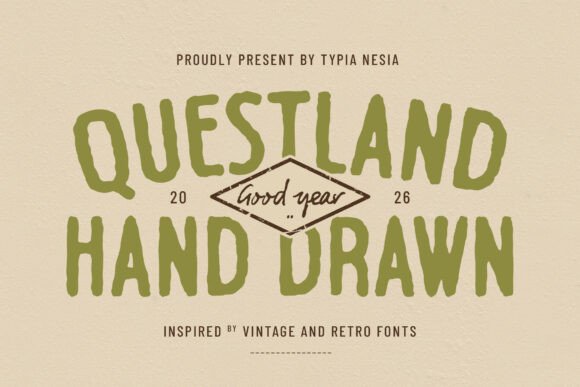
When a project calls for more than just letters—when it needs a sense of story, terrain, and heritage—your typography choice becomes critical. Questland is a premium font designed to answer that call. It’s not a clean, modern sans serif or a flowing script font. Instead, it’s a rough, vintage hand-drawn display typeface that feels like it was etched into wood or stamped on leather. The textured strokes and intentionally imperfect details give each character a tangible, organic quality. This isn’t a font for delicate invitations; it’s a workhorse for projects that need to communicate strength, authenticity, and a rugged outdoor spirit.
An Authentic Voice for Brand Identity
The personality of Questland is unmistakable. It carries the visual weight of classic Western typography and the adventurous spirit of exploration. Its bold, weathered forms are excellent for creating immediate impact and recognition. For a brand, this typeface can be a cornerstone of a powerful brand identity. Imagine a craft brewery using it for their logo and bottle labels, instantly conveying tradition and handcrafted quality. Picture a rugged outdoor apparel company or a wilderness tour service where Questland sets the tone for their entire visual language, from the logo design to social media banners. The font’s inherent character helps build a narrative before a customer even reads a word.
Beyond logos, its utility in packaging design is significant. Products like artisanal foods, tools, or camping gear benefit from a typeface that looks like it belongs on a workshop sign or a trail marker. In editorial design, it can add dramatic flair to magazine headlines for features on adventure travel, history, or craftsmanship. For web design, it works best as a headline or accent font on sites aiming for a vintage, rustic, or adventurous aesthetic. The key is to use it where its detailed texture can shine without competing with dense body text.
Practical Application: Pairing and Performance
Working effectively with a display font like Questland requires thoughtful pairing. Its strong personality means it should be balanced with a more neutral companion. A clean sans serif font for body text is a classic and reliable choice. The simplicity of a sans serif allows the headlines set in Questland to command attention without creating visual chaos. Alternatively, pairing it with a simple, readable serif font can create a more traditional, editorial feel that still allows the display font to take center stage.
Practical testing is non-negotiable. Before committing, place the font in your actual design mockups. Check the readability at the intended size, especially for shorter text like subheadlines or logos. Examine how the texture renders on different screens and in print. Review the included styles—does it offer the weight or variation you need? For commercial projects, always verify the commercial font licensing to ensure it covers your intended use, whether for a client’s logo, merchandise, or digital products.
Ideal Projects and Final Considerations
Questland excels in specific scenarios. It’s a natural fit for logo design for businesses in the outdoor, heritage, or artisanal space. It elevates social media graphics for adventure brands or historical societies, making posts instantly recognizable. It adds authentic character to event posters, festival badges, or menu designs for themed restaurants. As a design asset, it’s a specialized tool in a designer’s kit, perfect for when a project’s brief calls for a creative font with a built-in story.
Ultimately, choosing Questland is about aligning your project’s message with its visual voice. It’s a typeface that doesn’t just display words; it embodies a feeling of discovery and resilience. For designers, marketers, and business owners looking to inject a bold, vintage character into their work, it offers a distinctive and professional solution. By applying it strategically and pairing it wisely, you can leverage its unique aesthetic to build a stronger, more engaging visual presence.