Unleash Creative Expression with Cute Bunting
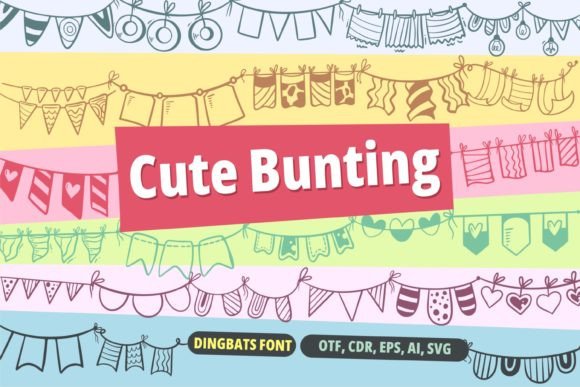
In the world of design, where digital precision often dominates, there's a growing appetite for elements that feel personal, handmade, and genuinely joyful. This is where a specialized creative font like Cute Bunting finds its place. It’s not just a collection of symbols; it's a tool for adding a specific, whimsical character to your work. Imagine the charming, hand-drawn aesthetic of party decorations, stitched textiles, or childhood storybooks, all distilled into a versatile digital typeface. Cute Bunting offers a library of distinct dingbats—each one carrying that unique, crafted touch—that can instantly transform a flat design into something with texture, personality, and warmth.
What makes this typeface compelling is its ability to bypass the sterile feel of default system fonts. The hand-drawn quality introduces an element of human touch, which can be a powerful differentiator in crowded marketplaces. For a small business owner creating their own packaging, a blogger designing social media graphics, or a marketer crafting a holiday campaign, this font provides an immediate shortcut to a more engaging and approachable visual language. It’s a premium font asset that functions less like traditional typography and more like a curated set of design illustrations.
Where Whimsy Meets Strategy: Ideal Applications
Understanding where to deploy a font like Cute Bunting is key to its effectiveness. Its personality is inherently playful, informal, and celebratory, making it a poor choice for a corporate law firm's annual report but a perfect fit for projects targeting families, children, food, crafts, or lifestyle brands. Think about packaging design for artisanal goods, where a bunting motif can reinforce the handmade quality of the product. Consider editorial design for a recipe booklet or a children's magazine, where the dingbats can serve as charming bullet points, section dividers, or decorative borders.
Digital spaces are equally receptive. For web design, Cute Bunting can be used sparingly but effectively—in hero sections for a party supply store, as icons for a wedding planning blog, or as decorative elements in an online course aimed at crafters. Its strength in social media graphics is undeniable. Instagram stories, Pinterest pins, and Facebook posts thrive on visual personality. Using these hand-drawn elements can help a brand's content stand out in a feed, increase shareability, and foster a stronger emotional connection with the audience. It moves beyond mere decoration to become a component of visual storytelling.
Integrating Cute Bunting into Your Brand and Projects
Adopting any new design element requires thoughtful integration. Cute Bunting is a display font, meaning it’s designed for impact at larger sizes, not for body text. Its primary role is as an accent. A common mistake is overuse, which can clutter a design and dilute its impact. Instead, use it strategically to highlight key information or create focal points. Pair it with clean, neutral typefaces to provide balance. A classic sans serif font for body text or a simple serif font for headings can ground the whimsy of the bunting dingbats, ensuring the overall design remains professional and readable.
When evaluating its fit for a project, consider your target audience and the message you wish to convey. Does "playful," "handcrafted," and "joyful" align with your brand identity? If yes, it's worth exploring. Always test the font in context. Create a mockup of your intended use—be it a logo concept, a website banner, or a product label—to see how the specific characters interact with your other design assets and color palette. Review the full character map included with the font; you might discover symbols that perfectly suit a niche need, like a specific animal, tool, or festive ornament.
Practical Considerations for Professional Use
Before finalizing your choice, a few practical checks are essential. First, ensure the font's licensing aligns with your project's scope, especially for commercial use. Most reputable foundries and marketplaces provide clear commercial font licenses. Second, test for readability. While the dingbats are visual symbols, ensure their shapes are distinct enough to be recognizable at the intended size, particularly in digital contexts where resolution can vary. Finally, think about consistency. Using Cute Bunting across multiple touchpoints—website, packaging, social media—can help build visual recognition, but it must be done cohesively as part of a broader design system.
In a landscape saturated with sleek, minimalist typography, a font like Cute Bunting offers a refreshing alternative. It’s a tool for injecting personality, evoking nostalgia, and creating designs that feel genuinely human. Whether you're enhancing a personal craft project or developing a brand for a client, its value lies in its ability to communicate a specific, positive emotion instantly. Used with intention, it can be the element that makes your creative work not just unique, but truly memorable.